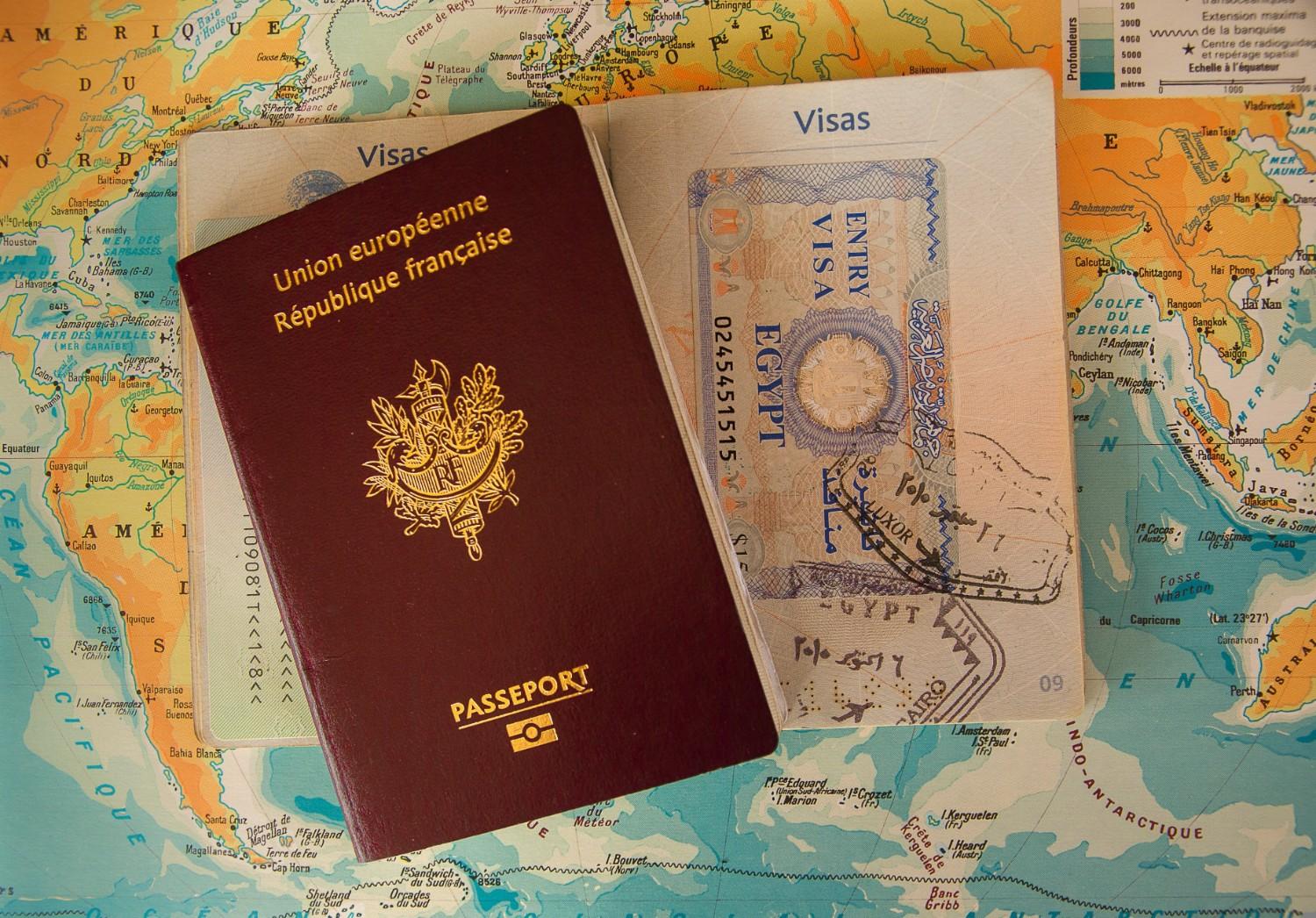
Everyone talks about dual citizenship like it is the ultimate life hack. Two passports. Freedom to live in multiple countries. Access to healthcare and education in two places. Travel without visas.
All true. But here is what people leave out of those excited Instagram posts: dual citizenship also means double tax obligations. Potential military service in a country you barely know. Banks that freeze your account because your paperwork is too complicated. And government jobs you can never apply for.
Before you chase that second passport, here is what the other side actually looks like.
Double Taxation and Tax Filing Nightmares
This is the big one. And most people do not fully understand it until they are already holding two passports.
Every country has its own tax rules. Some tax you based on where you live (residency-based taxation). Others tax you based on your citizenship regardless of where you live. The US is the most aggressive example. American citizens owe US taxes on their worldwide income no matter where on the planet they live or earn money. Even if you have not set foot in America for 20 years. Even if you are paying full taxes in your second country.
So if you are a dual US and Portuguese citizen living in Lisbon and earning from a European business? You file in Portugal. And you also file in the US. Every year. You report every foreign bank account over $10,000 through FBAR (Foreign Bank Account Report). You report foreign financial assets through FATCA. You potentially deal with double taxation on certain types of income.
Tax treaties help. The Foreign Earned Income Exclusion helps. Foreign Tax Credits help. But “help” does not mean “make it simple.” It means hiring a cross-border tax specialist every year. That costs €1,000 to €3,000 annually just in accounting fees. For the rest of your life.
And it is not just the US. Countries like Eritrea also tax citizens abroad. India taxes residents on global income. Even countries with friendlier systems often have reporting obligations that make your financial life more complicated the moment you hold two passports.
Military Service Obligations
This catches people completely off guard.
Some countries require military service from their citizens regardless of where they live. If you become a citizen of a country with conscription laws, you might be legally obligated to serve.
South Korea
Requires all male citizens to complete roughly 18 months of military service.
Israel
Has mandatory service for citizens.
Turkey
Has compulsory military service for men (though there are buyout options).
Greece
Has mandatory service for male citizens.
Even in countries without active conscription, holding citizenship means you could be called up if conscription is reintroduced during a conflict. That is not a theoretical risk. Several European countries have been discussing reinstating or expanding military service requirements since 2022.
Important Warning
Serving in a foreign military can jeopardise your citizenship in your other country. The US State Department warns that voluntary service in a foreign military may be grounds for losing American citizenship. So you could literally be forced into a situation where serving one country costs you the other.
Security Clearance Problems
If you work in government, defence, intelligence, or any sector that requires security clearance, dual citizenship creates real problems.
In the US, holding dual citizenship does not automatically disqualify you from getting a security clearance. But it raises flags. Adjudicators look at three things: your allegiance to the United States, foreign influence, and foreign preference. Holding a second passport signals potential divided loyalty in their eyes.
You might be asked whether you are willing to renounce your foreign citizenship. You might face longer and more intrusive background checks. You might be limited in which classified projects you can access.
The UK has similar concerns. So does Canada. Australia's security vetting process scrutinises dual nationals closely. If your career path involves anything touching national security, a second passport is potentially a liability rather than an asset.
Government Jobs Are Off the Table
Many countries restrict government positions for dual nationals. You cannot become a judge, minister, or senior civil servant in some countries if you hold another citizenship.
Australia famously had a constitutional crisis in 2017 when multiple members of parliament were found to hold dual citizenship, which disqualified them from office under Section 44 of their constitution. They had to resign.
In the Gulf states, government roles are generally restricted to single nationals. Several European countries impose limits on dual citizens holding senior public positions. If you have any ambition in politics, public service, or senior government administration, check the rules carefully before picking up that second passport.
Banking and Financial Headaches
Banks do not like complicated. And dual citizenship makes everything complicated.
Opening accounts as a dual national often triggers enhanced due diligence. Banks need to verify your tax status in multiple jurisdictions. They need to comply with reporting requirements like FATCA (for US persons) or CRS (Common Reporting Standard) for other countries. Some banks simply refuse to deal with dual nationals because the compliance burden is not worth it.
American dual citizens living abroad have it worst. Many European and Asian banks will not open accounts for US persons at all because of FATCA reporting requirements. If they do accept you, expect extra paperwork and sometimes higher fees.
One client of ours who held British and Portuguese dual citizenship spent three months trying to open a simple business bank account in Lisbon because the compliance department could not figure out which tax treaties applied to his situation. Three months for a bank account.
The Country That Does Not Let Go: US Citizenship
The United States deserves its own section because American citizenship is uniquely sticky.
The US is one of only two countries in the world (the other is Eritrea) that taxes citizens on worldwide income regardless of where they live. If you are a US citizen who becomes a Portuguese citizen and moves to Lisbon permanently, you still owe the IRS a filing every single year. You still report your foreign accounts. You still potentially owe US taxes on Portuguese income.
And if you think you will just renounce US citizenship to escape? Think again. The US charges a $2,350 fee just to renounce. If your net worth exceeds $2 million or your average annual tax bill exceeds roughly $190,000, you face an exit tax on your unrealised capital gains as if you had sold everything on the day you left.
In December 2025, Congress introduced the Exclusive Citizenship Act of 2025 which would bar US citizens from holding multiple nationalities. It has not passed. But the fact that it was introduced tells you which way the political wind is blowing.
Renouncing a Citizenship Is Harder Than You Think
If you decide dual citizenship is not working out, you cannot just hand back the passport and walk away.
Most countries have a formal renunciation process that involves paperwork, fees, sometimes interviews, and waiting periods. Some countries make it deliberately difficult to renounce. Others require proof that you hold another citizenship first so you do not become stateless.
Some countries do not allow renunciation at all, or make it nearly impossible in practice. And even when you successfully renounce, the tax obligations from your former citizenship can follow you for years. Renouncing US citizenship for example requires filing US taxes for five years after renunciation.
Political and Legal Complications
Dual citizens can face legal conflicts between their two countries. If your two countries end up in a diplomatic dispute, you are caught in the middle. If one country requires something that the other prohibits, there is no clean resolution.
Consular protection gets murky too. If you are in Country A and you are also a citizen of Country A, Country B's embassy generally cannot help you. You are treated as a local. This matters if you run into legal trouble, face detention, or need evacuation during a crisis.
When Dual Citizenship Actually Makes Sense
After all that, is dual citizenship always bad? No. For many people, the benefits genuinely outweigh the costs.
If you are moving to Europe for your family's future and want your children to have EU citizenship and freedom of movement across 27 countries, the tax and administrative hassles may be a worthwhile trade. If you are an entrepreneur who needs to operate businesses across borders, two citizenships can simplify visa requirements and business registration.
The key is going in with your eyes open. Know the tax obligations before you apply. Understand the military implications. Check whether your career path involves security clearance. Talk to a cross-border tax advisor before you celebrate. Dual citizenship is a powerful tool. But it is not free. And the costs are not always obvious until you are already committed.
Frequently Asked Questions
Does dual citizenship mean I pay taxes in both countries?
It depends on which countries. If one of them is the US, yes you file in both countries every year. Most other country combinations use residency-based taxation, meaning you pay taxes where you live. Tax treaties prevent true double taxation in most cases. But you will almost always have additional reporting and filing obligations.
Can dual citizenship affect my job prospects?
Yes. Government positions and security clearance roles are the most affected. Some countries bar dual nationals from holding public office or senior civil service positions. Defence and intelligence work often requires additional vetting for dual citizens. In the private sector it is rarely an issue.
Is it true that some countries do not allow dual citizenship?
Yes. Countries including China, India, Japan, Saudi Arabia, and the UAE either do not permit dual citizenship or require you to renounce your original nationality when you naturalise. If you are a citizen of one of these countries and you take a second citizenship, you may automatically lose your first one.
Can I lose my citizenship by becoming a dual national?
In some countries, yes. Voluntarily taking citizenship of another country can trigger automatic loss of your original nationality depending on local laws. In the US, taking foreign citizenship does not automatically cause loss of US citizenship, but voluntarily serving in a foreign military or swearing allegiance to another government can. Always check the specific rules for your nationality before proceeding.
Should I get professional advice before pursuing dual citizenship?
Absolutely. A cross-border tax advisor and an immigration lawyer are both essential before you commit. The tax implications alone can cost or save you tens of thousands of euros over your lifetime depending on how you structure things. This is not something to figure out after the fact.